
For homes in Cleburne, Burleson, Alvarado and Godley
Signs of a Slab Leak and How to Check Your Meter
Slab leaks hide under concrete, so the clues show up on your bill, under your feet and at your water meter. Here is what each sign usually means and how to test for a hidden leak in under an hour. If the test fails, a local plumber can find the spot.
- 10 minute meter check
- Hot side test
- Well owner steps
- Free call
- 01Leak located firstTested before any concrete is cut
- 02You approve the quoteNo work without your OK
- 03Local plumbersPros who serve Johnson County
- 04Plain answersSigns, fixes and insurance explained
How Can You Tell If You Have a Slab Leak?
The surest sign is a water meter that keeps moving when every tap is off and you cannot find water anywhere. Other common signs are a jump in your water bill, warm spots on the floor, damp carpet, the sound of running water and a water heater that runs more than usual.
One sign on its own can have other causes. Two or more signs plus a failed meter test are a strong reason to have the plumbing checked. Our main page explains how local slab leak repair works from the first call to the finished floor.
What Each Slab Leak Symptom Usually Means
| Symptom | What it may mean | Next step |
|---|---|---|
| Higher water bill, same habits | Water is escaping somewhere | Run the meter test below |
| Warm or hot spot on the floor | A hot water line leaking under the slab | Close the heater's cold inlet, then book leak locating |
| Running water sound, taps off | Water escaping a pipe under pressure | Check toilets first, then the meter |
| Damp carpet, cupped wood, loose tile | Moisture rising through the slab | Rule out appliances and the shower pan |
| Water heater runs all the time | Hot water is being replaced nonstop | Close the cold inlet and watch the meter |
| Weak water pressure | Water lost through a leaking line | Compare pressure at several fixtures |
| Musty smell at baseboards | Moisture trapped under flooring | Look for stains and book a check |
| New floor or wall cracks | Soil movement, sometimes moisture related | Photograph them and ask a plumber, then a foundation pro if needed |
Why Is My Floor Warm in One Spot?
A hot water line leaking under the slab heats the concrete above it. You may feel it barefoot on tile, or a pet may sleep in the same spot every day. Thermal cameras used in professional leak locating can trace that warmth back toward the leak. Radiant heat and ductwork can also warm a floor, so have it checked before assuming the worst.
Why Did My Water Bill Jump?
Compare your last bill with the same month last year. Summer lawn watering and pool top offs raise use, so look for a jump your habits do not explain. The EPA says the average household's leaks can waste more than 9,300 gallons of water a year, and fixing them can cut water bills by about 10 percent (EPA WaterSense). Some water utilities offer a leak adjustment after a documented repair. Ask yours.
What Does a Slab Leak Sound Like?
Usually a faint hiss or rushing sound near the floor or inside a wall when the house is quiet. Check toilets first. Put a few drops of food coloring in the tank. If color shows up in the bowl without a flush, the flapper leaks, not the slab.
Why Is My Carpet Damp With No Spill?
Carpet pad that stays damp, or wood floors that cup and swell, can mean moisture rising from below. Rule out a leaking dishwasher, fridge line, water heater or shower pan first.
How Do You Check for a Slab Leak With Your Water Meter?
This test takes about an hour and needs a flashlight. It works for homes on a city or water supply meter. If your home is on a private well, see our page on slab leaks in homes on wells.
- Turn off all water use. Taps, showers, dishwasher, washer, ice maker, sprinklers and pool fill.
- Find the meter. It is usually in a box near the street. Lift the lid with care and watch for bugs.
- Look at the leak dial. Many meters have a small triangle or star that spins with even tiny flow.
- Write down the reading. Wait an hour without using water and check again. Any change means a leak.
- Close the main valve at the house. If the meter stops, the leak is inside, maybe under the slab. If it keeps moving, the leak is in the yard line.
- Check the hot side. Open the main again and close only the heater's cold inlet. If the meter stops, the leak is likely on the hot side.
Share your results when you call. They tell the plumber which line to test first.
What Causes Slab Leaks in Texas Homes?
- Clay soil that swells when wet and shrinks when dry, which stresses pipes under a slab. Much of eastern Johnson County sits on the deep clay soils of the Blackland Prairie (Handbook of Texas).
- Rubbing as pipes grow and shrink against concrete, gravel or other pipes.
- Thinning in older copper pipes, tied to water chemistry and age.
- Build issues like kinked lines, poor fittings or damage during construction.
- High pressure that strains joints over the years.
- Hard freezes like the February 2021 storm that burst pipes across Texas.
The first leak often says something about the whole line. That is part of the choice covered in our guide to rerouting vs repairing a slab leak.
Can a Slab Leak Damage Your Foundation?
It can add to foundation problems. Water soaking the soil under one part of a slab can change how that soil supports the house, most of all in clay. Not every crack means a leak, and not every leak moves a foundation.
Fix the leak fast to limit the risk. If you see big cracks, doors that start to stick or sloping floors, ask a foundation professional to look once the plumbing is fixed. Plumbers fix water lines. Foundation repair is a different trade, and this line connects callers with plumbers only.
When Should You Call a Plumber?
Call when the meter test shows a leak inside the house, when a warm spot or damp floor has no clear source, or when you had a slab leak before and see new signs. If water is coming up, follow the urgent slab leak steps first.
How SlabShield Cleburne works: we are a free referral line, not a plumbing company. Your call goes to an independent local plumbing provider. That provider inspects the home, quotes the job, does the work and stands behind it. Read more about us.
Slab Leak Symptom Questions from Cleburne Homeowners
Can a slab leak cause low water pressure?
Yes. A leak pulls water out of the line, so fixtures on that line may feel weak, most of all when two run at once.
Can a slab leak cause mold?
Yes. Water trapped under flooring and behind baseboards can feed mold. A musty smell is a reason to look for hidden water.
Does a slab leak always show up on the water bill?
Not right away. A small leak may add only a little to each bill. The meter's leak dial catches it sooner.
How long can a slab leak go unnoticed?
Weeks or months, most of all on cold lines with no warm spot. A monthly meter check is the easiest way to catch one early.
Can I fix a slab leak myself?
You can run the meter test and shut off the water. Finding and fixing a pipe under concrete takes plumbing tools and, in Texas, a licensed plumber.
Can a slab leak raise my electric or gas bill?
Yes, when the leak is on the hot side. The water heater keeps heating new water to replace what leaks out, so energy use climbs along with the water bill.
Will a slab leak stop on its own?
No. A pipe under pressure keeps leaking, and the hole tends to grow. Shut off the water if it is coming up, then have the leak found.
What we help with
More Slab Leak Help in Cleburne
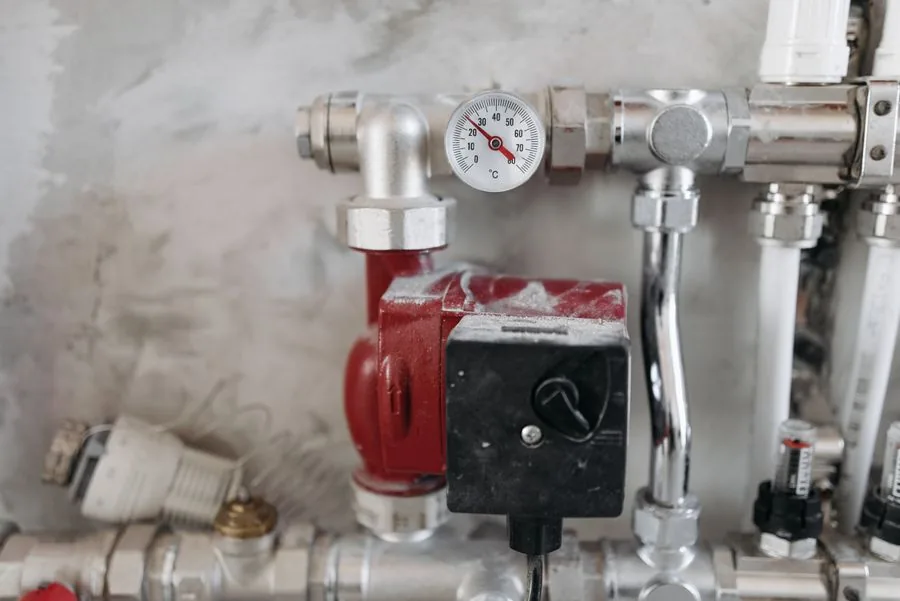 Leak DetectionPressure tests and listening gear find the leaking line and the spot before any concrete is cut.See details
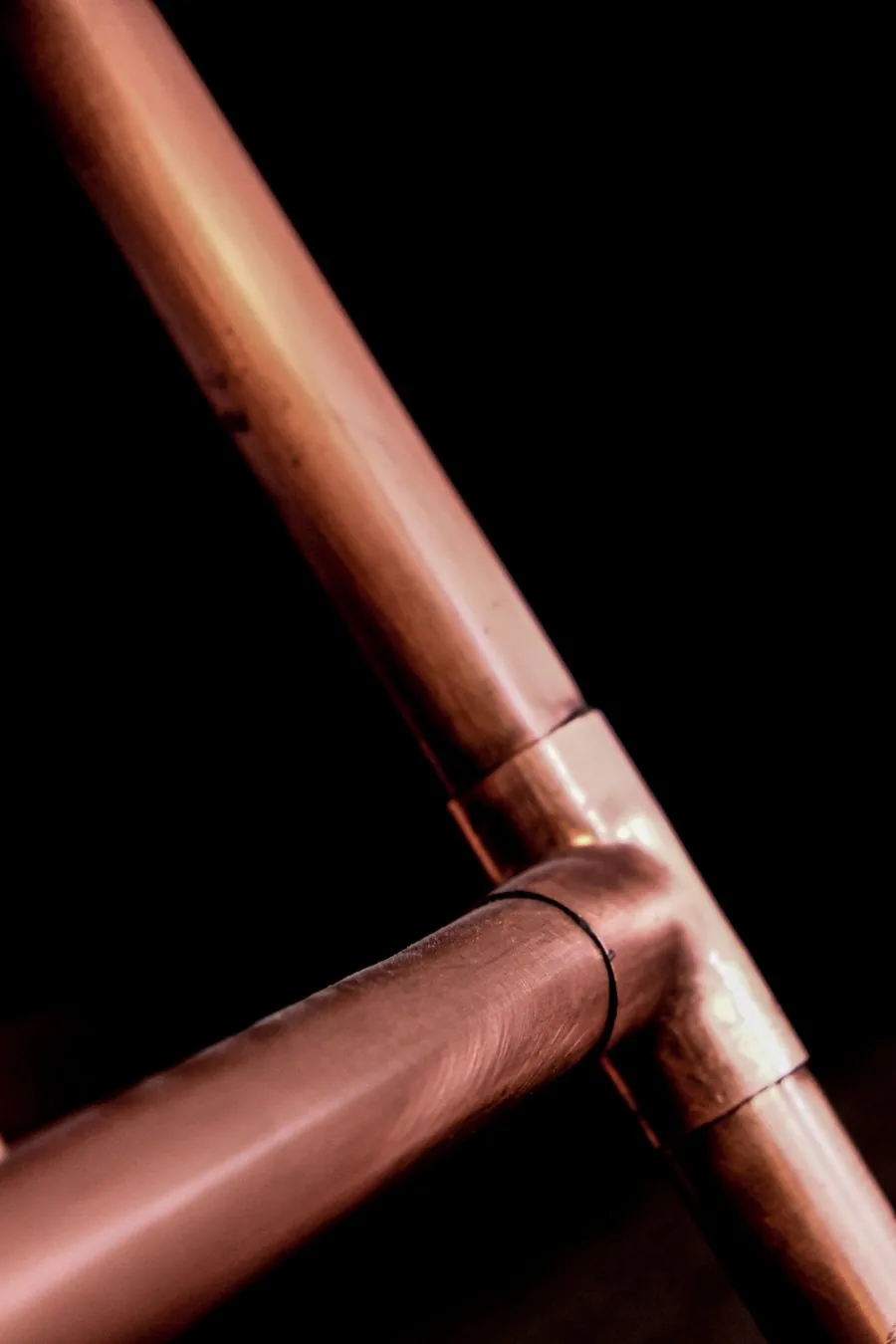 Spot Repair, Reroute & RepipeCompare direct access, tunneling, PEX reroutes and repipes, and when each one makes sense.See details
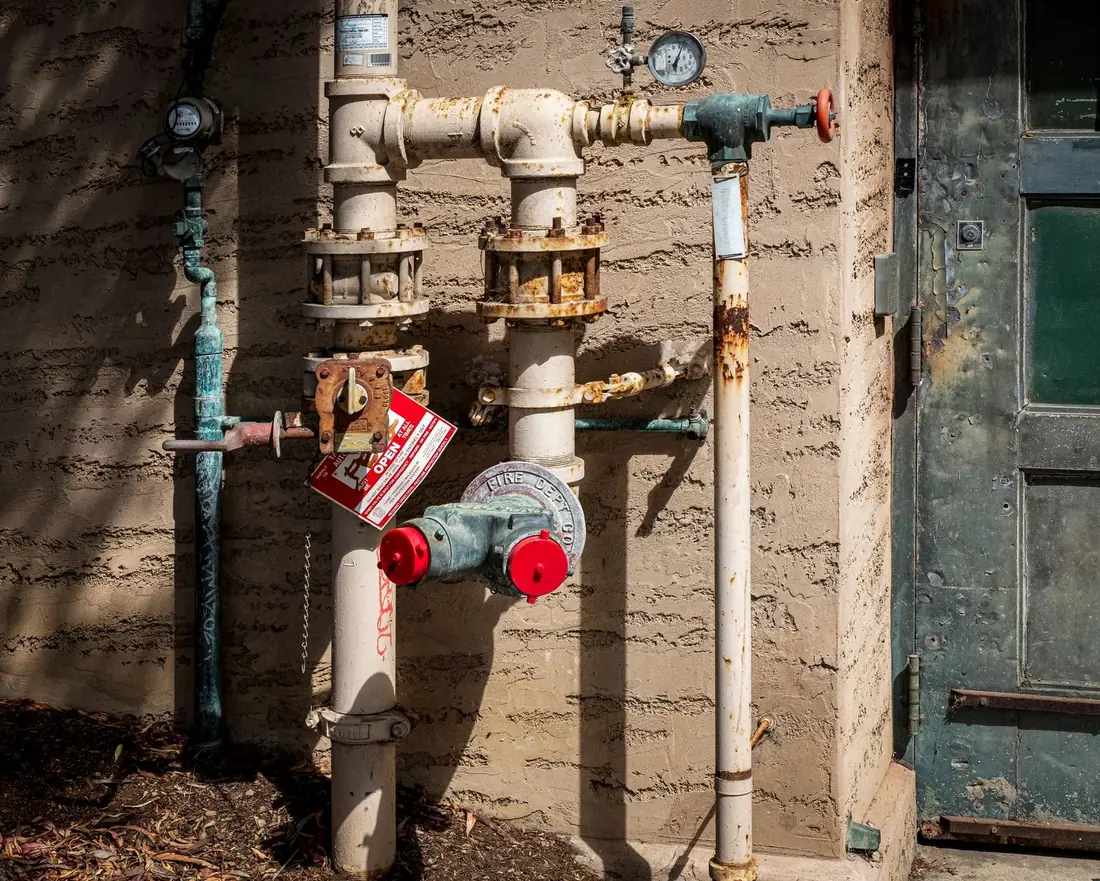 Urgent Slab LeaksWater coming up through the floor? Shut off steps, safety checks and what to tell the plumber.See details
 Insurance QuestionsHow policies treat water damage, tear out and the pipe itself, plus what to photograph.See details
Call before it gets worse
Seeing the signs? Get the leak confirmed
If your meter test points to a hidden leak, call to reach an independent Cleburne plumbing provider who does leak locating.