

A plain guide for homeowners in Cleburne and Johnson County
Does Homeowners Insurance Cover Slab Leaks in Texas?
Coverage for a slab leak depends on your own policy. Most claims split into three parts that insurers treat in different ways. Learn the terms, take the right photos, and ask your insurer the right questions before the slab is opened.
- Not insurance advice
- Three parts of a claim
- Photo checklist
- TDI Help Line
- 01Leak located firstTested before any concrete is cut
- 02You approve the quoteNo work without your OK
- 03Local plumbersPros who serve Johnson County
- 04Plain answersSigns, fixes and insurance explained
This page is general information, not insurance or legal advice. We are not an insurance agency and cannot say if a claim will be paid. Your policy and your insurer decide.
Does Insurance Pay for a Slab Leak?
Many homeowners policies may help with sudden water damage from a slab leak, and some help with the cost of reaching the pipe, called access and tear out. Many do not pay to fix the pipe itself. Slow leaks and wear and tear are common exclusions. Read your policy and call your insurer.
A slab leak claim usually has three parts, and each can be treated in its own way. If the leak has not been confirmed yet, start with our overview of slab leak repair for Cleburne homeowners.
What Are the Three Parts of a Slab Leak Claim?
| Part | What it covers | How policies often treat it |
|---|---|---|
| Water damage | Flooring, baseboards, drywall, cabinets and belongings | Most likely to be considered when the damage was sudden |
| Access and tear out | Breaking and replacing concrete or flooring to reach the pipe | In some policies, or added by endorsement |
| The pipe repair | Fixing or replacing the failed pipe | Often excluded as wear and tear |
Some homeowners also carry a home warranty or a service line plan, which can change the picture.
What Do Common Insurance Terms Mean?
- Sudden and accidental
Damage that happens without warning, not damage that built up slowly. How your policy defines it matters.
- Access and tear out
The cost to tear out and replace part of the house, like the slab or flooring, to reach the leaking pipe.
- Wear and tear, or continuous seepage
Exclusions that may apply when damage is blamed on age or a leak that ran for a long time.
- Endorsement
An add on that changes what the base policy covers. Some address water or foundation losses.
What Should You Document Before the Repair?
- Photograph the damage. Wet floors, stains, warm spots and any water, before cleanup.
- Record the meter. Note readings and your meter test results.
- Save your bills. Keep recent water bills that show the jump in use.
- Get the plumber's findings. Ask for the report from leak locating, with the line and spot.
- Get line item quotes. Detection, access, pipe repair, concrete and flooring listed apart.
- Keep receipts. Fans, dehumidifiers, drying services or a hotel stay.
What Should You Ask Your Insurer?
- Does my policy cover access and tear out for a slab leak?
- Is the water damage covered, and is there a separate limit or deductible?
- Do you need to inspect before the slab is opened or the line is rerouted?
- Is a reroute treated differently from a spot repair?
- What paperwork do you need from the plumber?
- How soon must I report the loss?
The repair method can affect what is paid, so ask before you approve the work. Our guide to spot repair, tunneling, reroutes and repipes explains each one.
Where can Texas homeowners get free insurance help?
The Texas Department of Insurance Help Line is 800-252-3439, open weekdays from 8 a.m. to 5 p.m. Central. Staff can explain claim steps and your rights under Texas law (TDI).
What If You Rent or Own a Rental?
Renters should report a suspected leak to the landlord in writing right away. The owner's policy and the lease usually decide who sets up and pays for repairs. Selling soon? The Texas Seller's Disclosure Notice asks sellers about known defects in the slab and the plumbing, so keep the repair invoice and findings. Renters insurance may cover your belongings. Landlords, including owners of rental homes in Keene, can use our line to reach a plumbing provider.
How SlabShield Cleburne works: we are a free referral line, not a plumbing company. Your call goes to an independent local plumbing provider. That provider inspects the home, quotes the job, does the work and stands behind it. Read more about us.
Slab Leak Insurance Questions from Texas Homeowners
Does insurance cover the cost of finding a slab leak?
Some policies may help with locating or access costs, and some do not. Ask your insurer and keep the locating invoice and findings either way.
Will insurance pay for a reroute?
It depends on the policy. Some insurers consider a reroute when it avoids tearing out the slab. Others limit help to access costs. Ask before the work starts.
Should I file a claim for every slab leak?
That depends on your deductible, the damage and your policy. Many homeowners get a quote first, then talk to their agent.
Can you help with my claim?
No. We are a referral line and do not handle claims. The plumbing provider can give you written findings and quotes for your insurer.
Why do insurers deny slab leak claims?
Common reasons are exclusions for wear and tear or long term leaks, and claims reported long after the leak started. Report the leak promptly and keep the plumber's findings.
Should the adjuster see the damage before the repair?
Ask your insurer before work starts. Stop the water and start drying to limit damage, take photos of everything, and ask if they want to inspect before the slab is opened.
What we help with
More Slab Leak Help in Cleburne
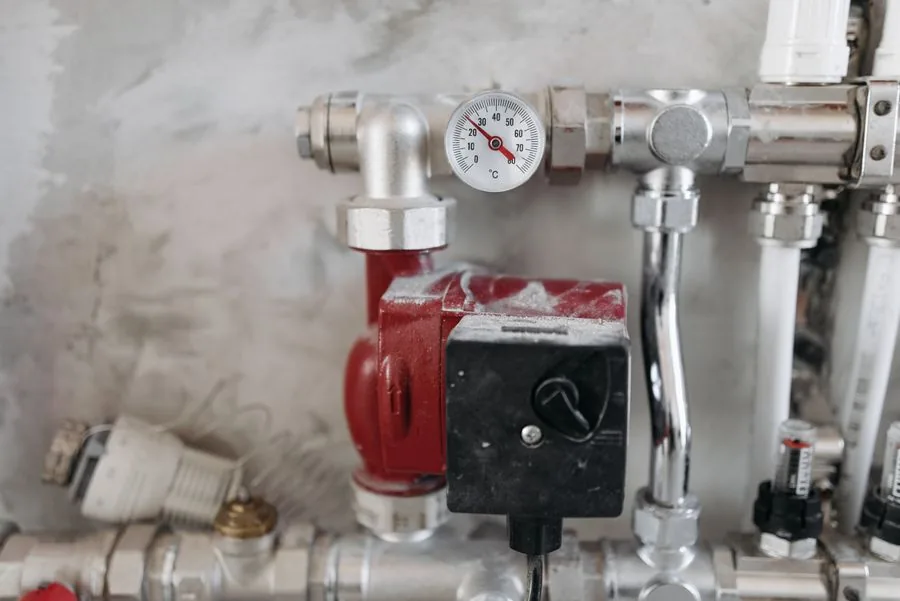 Leak DetectionPressure tests and listening gear find the leaking line and the spot before any concrete is cut.See details
 Spot Repair, Reroute & RepipeCompare direct access, tunneling, PEX reroutes and repipes, and when each one makes sense.See details
 Urgent Slab LeaksWater coming up through the floor? Shut off steps, safety checks and what to tell the plumber.See details
 Signs of a Slab LeakWarm floors, high bills and a spinning meter. Run the meter test before you call.See details

Call before it gets worse
Need the leak found and written up?
Call to reach an independent Cleburne plumbing provider. Ask for written findings and photos you can send to your insurer.